The Hidden Battle for Creators’ Rights
The Copyright Laundering Crisis


Loading...
Verify on BlockchainThe Copyright Laundering Crisis
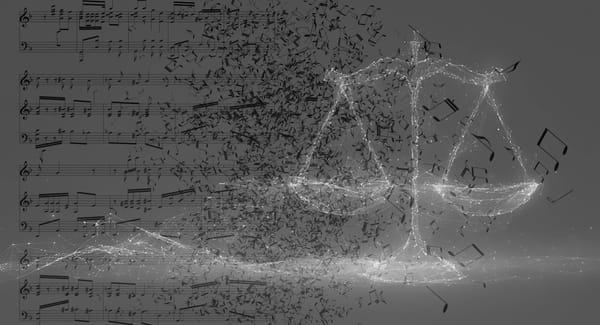
The creative community faces a new challenge in protecting their work: “copyright laundering” through artificial intelligence. This practice, where AI companies attempt to obscure their use of copyrighted material through layers of synthetic content generation, threatens the foundation of creative rights. But a powerful combination of new laws and technology is changing the game in the creators’ favor.
A Digital Shield for Creative Works
California’s groundbreaking SB942 legislation, combined with advanced blockchain technology, creates an unprecedented shield for creative works. Think of it like a musical fingerprint that can’t be erased, no matter how many times an AI system tries to remix or reconstruct it. Every piece of creative work gets its unique digital signature, permanently recorded and tracked through secure blockchain technology.
Transforming Copyright Protection
The implications for creators are transformative. Where previously it was difficult to prove unauthorized use of creative works in AI training, this new infrastructure makes it nearly impossible for AI companies to hide their use of copyrighted material. Advanced AI monitoring systems can detect patterns of unauthorized use, even when disguised through multiple layers of synthetic content generation.
The Economics of Fair Compensation
This technological breakthrough doesn’t just protect rights — it creates new opportunities for fair compensation. AI companies are finding it more cost-effective to properly license creative works than to risk the legal and financial consequences of attempting to circumvent these protections. For creators, this means clearer paths to monetization and greater transparency about how their work is being used in AI development.
Unbreakable Chain of Evidence
The system works like an unbreakable chain of evidence. When someone tries to use creative work without permission — even through multiple generations of AI-created content — the technology can trace it back to the original work. This automatic documentation makes it significantly easier for creators to protect their rights and ensure fair compensation for their work.
Power Shift in the Creative Industry
Perhaps most importantly, this shift in the technological and legal landscape is rebalancing power in favor of creators. No longer can AI companies simply scrape creative works from the internet and hide behind layers of synthetic data generation. The combination of California’s strict law and advanced tracking technology means that using creative works without permission carries real, significant consequences.
The Future of Creative Rights
For the creative community, this marks a crucial turning point in the relationship between human creativity and artificial intelligence. It demonstrates that technological advancement doesn’t have to come at the expense of creators’ rights. Instead, technology can be harnessed to protect those rights while fostering innovation in AI development through legitimate, transparent channels.
A New Era of Protection
The message is clear: the future of AI development must include respect for and fair compensation to the creators whose work makes it possible. As this technology continues to evolve, creators can feel more confident that their rights will be protected in the digital age.