Transparency…
Transparency has been one of the music industry’s biggest problems, both in distribution and reporting. Historically, creators have been…

Loading...
Verify on BlockchainTransparency has been one of the music industry’s biggest problems, both in distribution and reporting. Historically, creators have been unable to trust that payouts will be accurate. This is one of the reasons that some creators have sold their rights to companies investing in catalogs. Sometimes, it makes sense to take a lump sum rather than worrying about getting fair remuneration in the future.
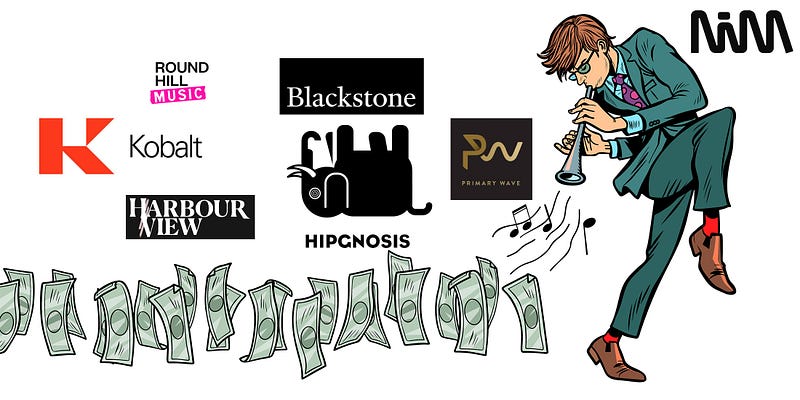
However, the same problems occur in the new investment models. For example, Hipgnosis’s dividend suspension amid opaque bonus payouts will likely damage investor trust, mirroring similar issues affecting music royalty transparency. Investors reasonably expected dividends from acquisitions purportedly delivering strong catalog performance. But, without disclosure on deal terms, shareholders can’t adequately evaluate impacts on payouts.
We at NIM believe transparency is the cornerstone of a sustainable music business. CopyrightChains adds transparency through immutable copyright ledgers and smart contracts, automating usage-based distribution. Direct fan-to-artist royalties can also help by linking listener payments to creator payouts without opaque pooling.
Overall, the investment sector needs reformed standards around transparency. Obscured expectations and processes erode stakeholder trust, whether in acquisitions or royalties.
More clarity will improve relations between companies, their investors, and partners. The musical value chain needs openness, underpinned by NIM’s CopyrightChains, to renew faith across the entire ecosystem. Trust and alignment among all industry players depend on systemic transparency.